Santorini Greece Earthquakes: A Comprehensive Guide To Understanding Seismic Activity - While predicting earthquakes with absolute certainty remains a challenge, advancements in technology and research have improved our ability to forecast seismic activity. Scientists are continually monitoring the tectonic movements in the region to identify potential earthquake triggers. In response to the history of seismic activity, modern-day Santorini has implemented various safety measures to protect its residents and visitors. These measures include building codes, early warning systems, and public awareness campaigns.
While predicting earthquakes with absolute certainty remains a challenge, advancements in technology and research have improved our ability to forecast seismic activity. Scientists are continually monitoring the tectonic movements in the region to identify potential earthquake triggers.
Santorini Greece earthquakes have been a subject of fascination and concern for geologists and tourists alike. The stunning island of Santorini, known for its breathtaking sunsets and iconic white-washed buildings, sits atop a seismically active region. Understanding the science behind these earthquakes is crucial for both residents and visitors. In this article, we will delve into the history, causes, and impacts of earthquakes in Santorini, providing you with valuable insights to stay informed and prepared.

Studies by the United States Geological Survey (USGS) indicate that the convergence rate of these plates contributes to the frequency and intensity of earthquakes in the region.
Santorini Greece earthquakes have been recorded throughout history, with some events leaving a significant mark on the island. These earthquakes have not only shaped the physical landscape but also influenced the cultural and architectural development of Santorini.
Recent studies have highlighted the importance of monitoring volcanic activity as an indicator of potential seismic events. The interplay between volcanic eruptions and earthquakes is a focal point of research, offering new perspectives on the island's geological dynamics.
Santorini is divided into several sub-seismic zones, each with varying levels of seismic activity. Understanding these zones is essential for effective disaster management and urban planning.
The volcanic activity in Santorini is a result of the subduction zone where the African Plate converges with the Eurasian Plate. This tectonic movement is responsible for the frequent earthquakes experienced in the region. While volcanic eruptions are rare, seismic activity is more common, often serving as a precursor to volcanic events.
Santorini's geological history is rich with volcanic activity, which has shaped its unique landscape. However, this same geological activity also makes the island prone to earthquakes. While most tremors are minor, some significant seismic events have occurred throughout history, leaving lasting impressions on the island's geography and culture.
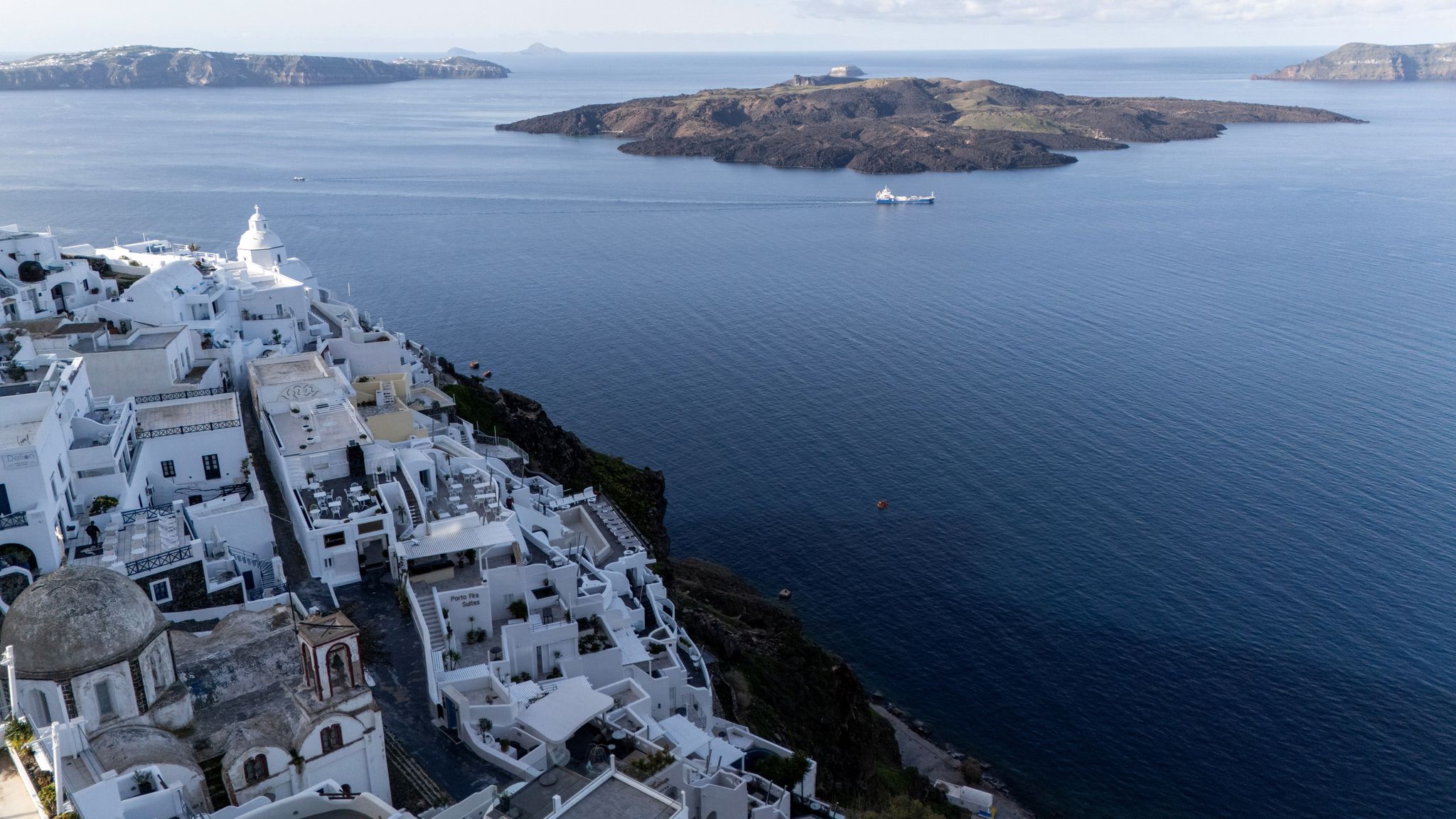
The 1956 earthquake caused parts of the caldera to collapse, reshaping the coastline and altering the island's topography. This seismic event also led to the formation of new islands, such as Nea Kameni and Palea Kameni, which are now popular tourist attractions.
The Greek government, in collaboration with international organizations, has invested in early warning systems that can detect seismic activity and alert the population in advance. These systems play a crucial role in minimizing the impact of earthquakes on the island.
Santorini Greece earthquakes are a natural phenomenon that has shaped the island's history and geography. By understanding the causes, impacts, and safety measures associated with these seismic events, residents and visitors can better prepare for potential future occurrences.
The primary cause of Santorini Greece earthquakes lies in the tectonic movements of the African and Eurasian plates. The subduction zone beneath the Aegean Sea creates stress along fault lines, leading to seismic activity.