Schools Closed Tomorrow: What You Need To Know - Incorporate hands-on activities and projects that align with your child's curriculum to keep them engaged and motivated. Students with special needs may be entitled to additional support during closures to ensure they receive a free appropriate public education (FAPE).
Incorporate hands-on activities and projects that align with your child's curriculum to keep them engaged and motivated.
Organize volunteer-led tutoring sessions or mentorship programs to assist students who may be struggling.
School closures can have a profound effect on both students and their families. Here's how:
School closures are often governed by local laws and regulations. Understanding these can provide clarity on your rights and responsibilities:
For students, the disruption of their daily routine can lead to confusion and anxiety. Parents may also face challenges in arranging alternative childcare or adjusting work schedules.
During closures due to health concerns, maintaining good hygiene practices is crucial. The World Health Organization (WHO) recommends:
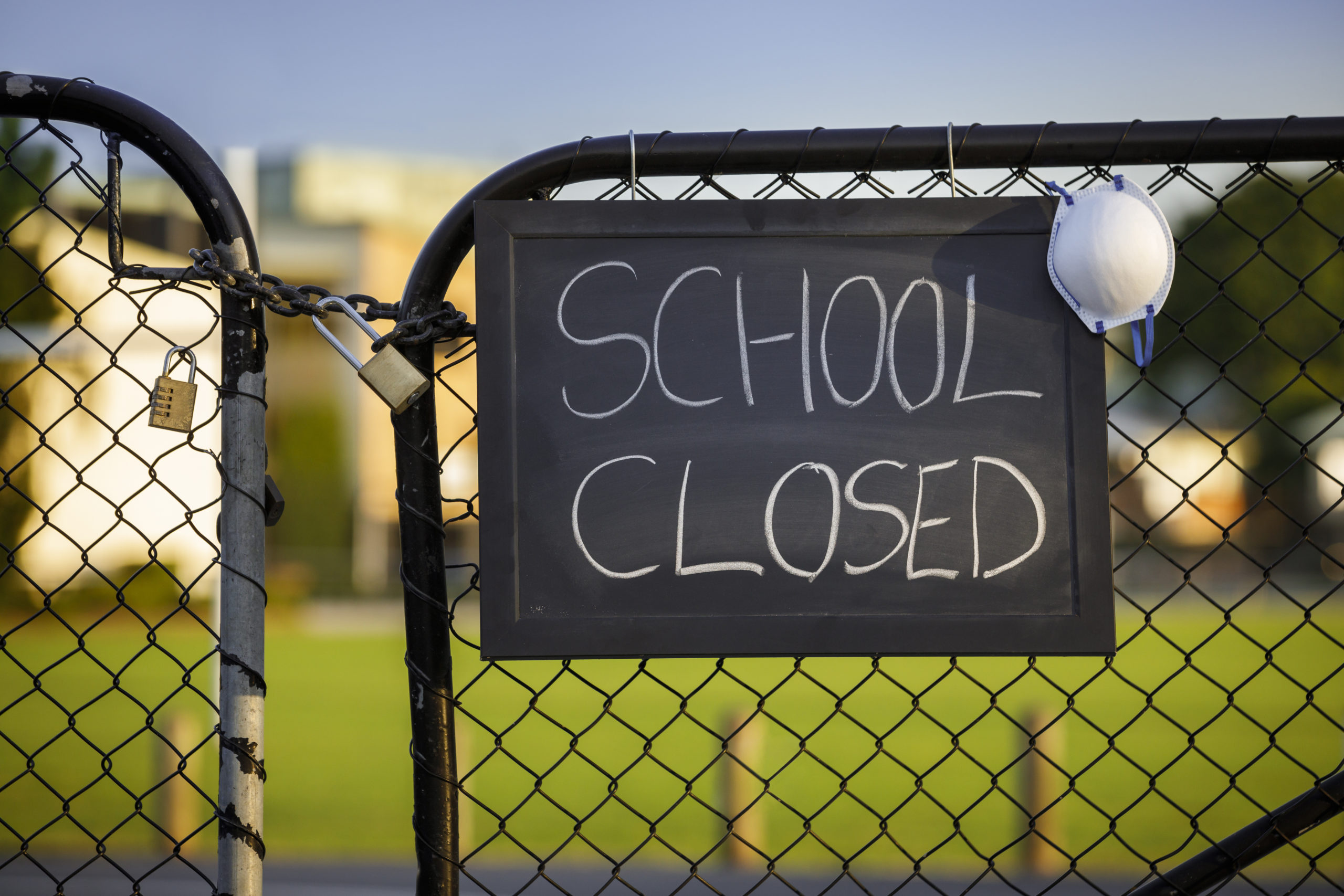
Staying informed is key to preparing for school closures. Here are some reliable sources:
Many districts require schools to make up for lost instructional days, either by extending the school year or adjusting the calendar.
Extreme weather events such as snowstorms, hurricanes, or heatwaves often lead to school closures. These conditions can pose significant risks to student safety during transportation and outdoor activities.
Problems with school infrastructure, like power outages, plumbing issues, or structural damage, may also result in closures. Ensuring a safe learning environment is a top priority for educational institutions.
Ensure you have enough educational materials and supplies at home to support remote learning if needed.
According to a report by the National Center for Education Statistics, nearly 90% of parents rely on digital communication channels to stay updated about school-related news.